Dr. Pia Fenimore
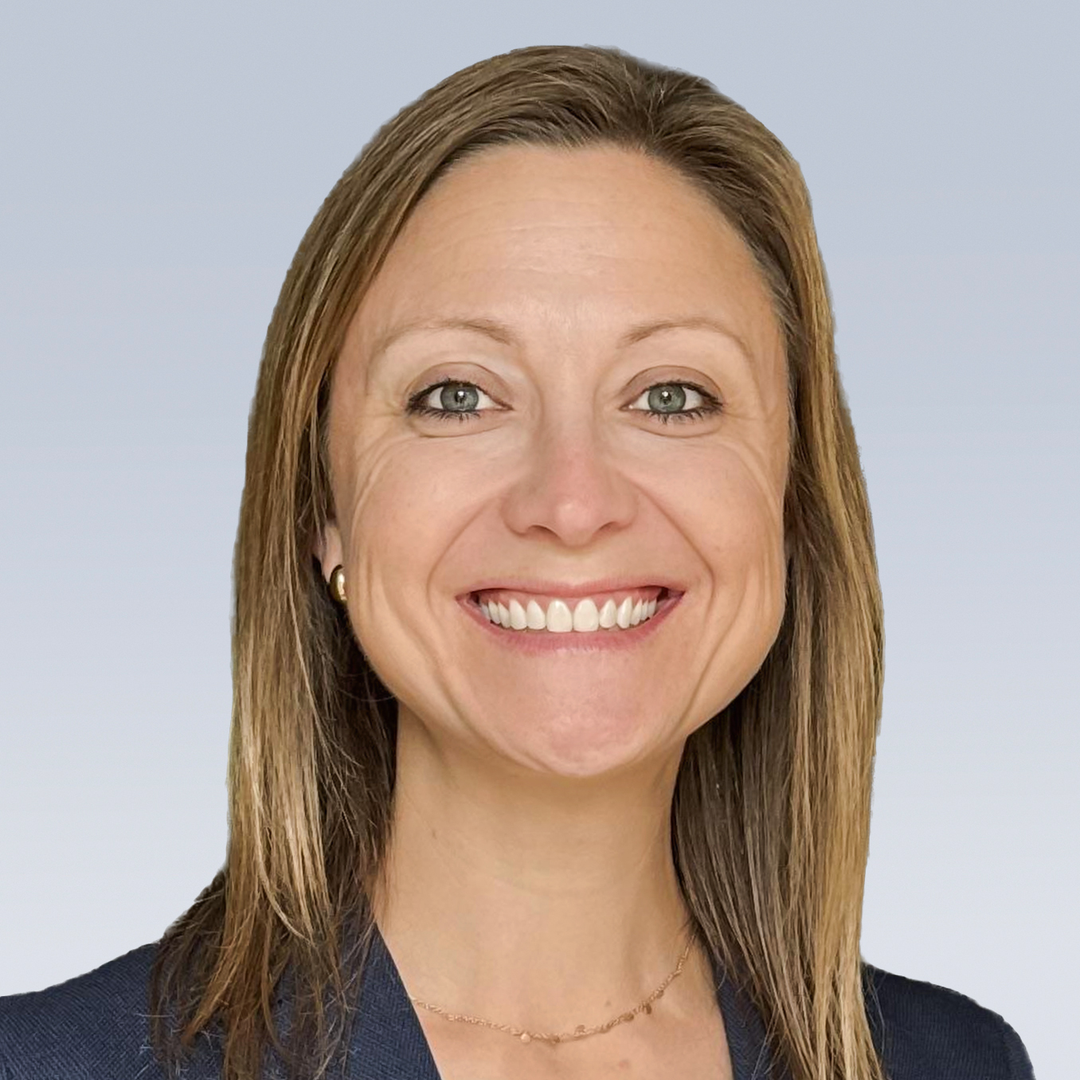
Dr. Joan Thode
The U.S. Department of Health and Human Services’ recent decision to change childhood vaccination recommendations came quickly and concerned us because it came without the usual process of scientific evidence analysis and expert discussion.
Six vaccines were removed from the recommended schedule of routine childhood immunizations. Those vaccines — which protect against rotavirus, COVID-19, influenza, hepatitis A, hepatitis B and meningitis — now are to be given only to “certain high-risk groups,” or after “shared clinical decision-making."
As pediatricians, we remain committed to helping families make informed decisions, and we recognize the new federal policy statement may create confusion for parents seeking guidance on their child’s health.
Instructing parents that “high-risk” groups should get these vaccines without defining what qualifies as risk is unhelpful from a policy standpoint, and silly from a clinician standpoint. These diseases are just as likely to cause damage in one body versus another, so we are all “at high risk” from the destructive nature of these diseases if we come in contact with them.
Further, there is no new evidence locally or nationally that we are seeing these diseases in lower numbers — if anything, it’s the opposite. The bodies of babies and children are more susceptible to the processes of these pathogens, and if there is any risk higher than zero, it is worth preventing harmful outcomes when prevention is possible, especially for our children. By creating narratives about some vaccines being unnecessary for some children, we place parents in a position of relying on a crystal ball they simply do not have.
Vaccine skeptics assert that their goals are transparency and allowing parents to have control over decisions about their children’s health. But these aren’t novel concepts — transparency, education and empowerment have always been the underlying approach of pediatricians and other primary care clinicians. As pediatricians, we take pride in our role as teachers and supporters to parents as they navigate their children’s health needs.
Every parent deserves sound advice based on research, historical evidence and facts — not based on an inaccurate evaluation of risk that uses cherry-picked data points without context.
The previously established vaccination guidelines were forged and refined by decades of data. Pediatricians are concerned that contradicting these guidelines will create confusion that will lead parents to refuse or delay vaccines, putting their children at risk for hospitalization, trauma and even death.
Parents need to know that pediatricians continue to recommend all 17 childhood vaccinations. We know the vaccines are safe, and we know they provide protection. The American Academy of Pediatrics has not changed its stance on vaccines.
Parents should and do have agency over their children’s health, which means they need to make decisions based on information provided from unbiased, science-backed sources. We can engage in “shared clinical decision-making” with all of you when we say that we cannot predict who exactly will be affected by these diseases. The cases that occur, even if the incidence rate is low overall, are devastating. And diseases that are commonly found in the community bring the potential for serious illness as well. Every child deserves protection, and providing that protection is one of the best things you can do for your child.
Vaccine skeptics have often accused pediatricians of “fearmongering,” an accusation that implies we are blowing out of proportion the risks and effects of these diseases for some personal gain. We physicians admit to genuine fear about the implications of these decisions on the futures of our patients and our communities. But we want parents to make informed decisions based on facts. That is not fearmongering — that’s knowledge motivating action.
We, the authors of this article and the broader group of physicians and clinicians nationally, want you to have knowledge about and respect for the diseases that warrant prevention. We are not going to use scare tactics; conjuring images of iron lungs and blackened extremities does not feel like the right way to build trust. Yet, to make an informed decision for your child, you need to understand and respect these pathogens and diseases.
Therefore, we will be pairing up to write a series of LNP | LancasterOnline columns to provide you with the information you need to develop a deeper understanding of these diseases and the effects that vaccines have had so far in stemming their prevalence. We will break down the new recommendations for vaccine schedule changes one by one. We will explain the function of the various human organs affected by each infection and how the disease affects not only the organs but a person’s real life.
We have invested collectively some 35 years in caring for Lancaster County’s children. We know how hard it is to be a parent right now, and we respect every concern founded in love for a child.
We understand the worry that we all have for our children’s safety, and our responsibility as parents and as citizens is to gather as much information as possible and make the most informed decisions we can. While we fear a future in which these diseases could surge and harm our children, we also recognize the potential that we have for prevention, and that is where we hope this series of articles helps you and others. Walk this journey of shared decision-making with us — we are confident you will leave it empowered not by fear but by facts.
Pia Fenimore, M.D., is a pediatrician at Lancaster Pediatric Associates and vice chair of pediatrics at Penn Medicine Lancaster General Health. Dr. Joan Thode, M.D., is a pediatrician at Penn Medicine Lancaster General Health Roseville Pediatrics. Both are fellows of the American Academy of Pediatrics.